blog

what happened to amiri king

what happened to amiri king

The Rise, Fall, and Pivot of YouTube’s Most Outspoken Parodist

During the mid-2010s, it was almost impossible to scroll through Facebook or YouTube without stumbling upon an Amiri King video. With his rapid-fire delivery, Southern twang, and unfiltered, blue-collar comedic rants, he racked up hundreds of millions of views. His parody truck commercials—most notably for the Chevrolet Silverado—became cultural touchstones of early viral video culture, spawning catchphrases, memes, and an intensely loyal fan base.

At the peak of his internet stardom, Amiri King was pulling in engagement numbers that rivaled traditional television networks. Yet, as the digital landscape shifted toward stricter moderation and corporate-friendly brand alignment, King seemed to vanish from mainstream feeds.

Fans frequently ask: What happened to Amiri King? Did he quit YouTube, get banned, or move on to a different life entirely?


1. The Meteoric Rise: "Chevy Silveraydo" and Viral Rants

Amiri King (born Tony Schork in July 1979) did not achieve viral fame through polished studio productions or conventional stand-up circuits. Instead, his breakthrough arrived in the DIY era of social video, fueled by raw commentary and unapologetic satire.

His defining breakthrough was the Chevy Silverado Parody series (frequently stylized by fans as Silveraydo), followed closely by his Chevy Colorado Parody and Chevy Camaro videos. These clips parodied rugged automotive commercials by overlaying real truck footage with profanity-laced voiceovers, mocking competing brands like Ford, and celebrating over-the-top truck culture.

The formula struck gold across digital platforms:

  • Massive Viral Reach: The Silverado parodies surpassed tens of millions of views across Facebook and YouTube, solidifying King as an online phenomenon.
  • Distinct Aesthetic: His vlog format, titled My Vlog Is Better Than Yours, mixed observational comedy with aggressive, take-no-prisoners rants on pop culture, relationship tropes, and everyday annoyances.
  • A Cult Following: At his peak, King commanded over 800,000 YouTube subscribers and millions of followers on Facebook, cultivating a dedicated audience that resonated with his anti-filter persona.

2. Platform Clashes and the Facebook Ban Epidemic

Amiri King’s rapid climb coincided with a period when platforms like Facebook and YouTube were aggressively trying to attract video creators. However, his comedic brand relied heavily on shock value, abrasive roasting, and profanity—the exact qualities that modern algorithms and advertisers began actively filtering out.

By 2016, King began facing repeated friction with platform moderators:

  • Frequent Suspensions: King’s Facebook accounts were subjected to rolling 30-day bans for community standard violations. His rants frequently triggered automated flagging systems and mass user reports.
  • Fan Outcry: The suspensions grew so frequent that supporters launched petitions—such as the viral "Free Amiri King" campaign—demanding that social platforms reinstate his posting privileges and stop throttling his reach.
  • Demonetization on YouTube: Around 2017, YouTube underwent the "Adpocalypse," a major algorithmic overhaul that stripped monetization from videos featuring explicit language, hostile rants, or non-brand-safe humor. King’s catalog bore the brunt of these changes, drastically reducing his ad revenue and search visibility.

As social media algorithms deprioritized edgy, unrestrained creators in favor of family-friendly, corporate-vetted content, King’s visibility took a permanent hit.

3. High-Profile Feuds and Personal Turbulence

King’s aggressive online persona often spilled over into his personal life. Over the years, his social media channels were marked by high-profile feuds, relationship drama, and public disputes that polarized even his long-time viewers.

  • Public Relationships and Breakups: King’s relationship with Sara Ruminski was a frequent fixture of his social media content for years. When the pair separated, the fallout unfolded across public posts and comment sections, sparking extensive discussion and speculation across online forums.
  • Feuds with Fellow Influencers: King never shied away from public beefs with other digital creators and internet personalities. While these clashes temporarily generated headlines, they also exhausted segments of his mainstream audience.
  • Algorithm Alienation: In the early 2010s, public drama tended to boost social reach. By the late 2010s, platforms actively suppressed heated personal conflicts and hostile back-and-forths, further pushing his profiles into digital obscurity.

4. The Pivot: Merchandise, Hardware Endorsements, and Modern Commerce

Faced with declining organic platform reach and shrinking YouTube monetization, King adapted by shifting away from ad dependency into direct-to-consumer merchandising and promotional partnerships.

During this era, raw internet culture cross-pollinated with streetwear and fan merch. Influencer branding began mimicking the aesthetic of high-demand casual wear, transitioning from basic graphic tees to styled drops like branded trucker caps and hoodies. Fans who followed early viral creators also embraced signature urban silhouettes, pairing bold apparel with statement distressed Amiri jeans and pairing oversized outerwear with premium Amiri shoes and sneakers.

Merchandising & Slogan Apparel

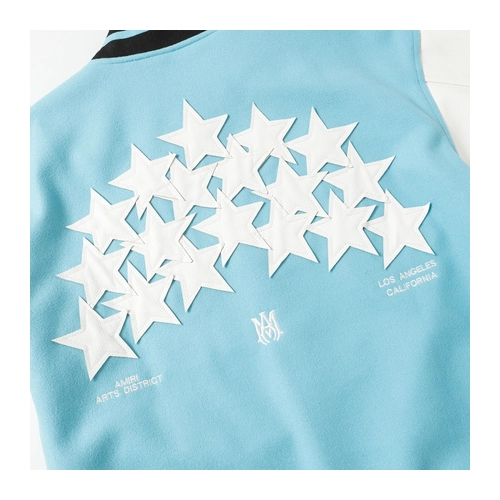
King leaned into e-commerce by launching custom apparel featuring popular quotes from his parody videos, including "Silveraydo" slogans and anti-fad graphics. Much like mainstream luxury streetwear where collectors hunt for a signature graphic Amiri shirt or layer with a structured Amiri varsity jacket, direct-to-consumer apparel allowed him to maintain independent cash flow without relying on ad rev-shares.

Tech, TV Box Promos, and Headwear Drops

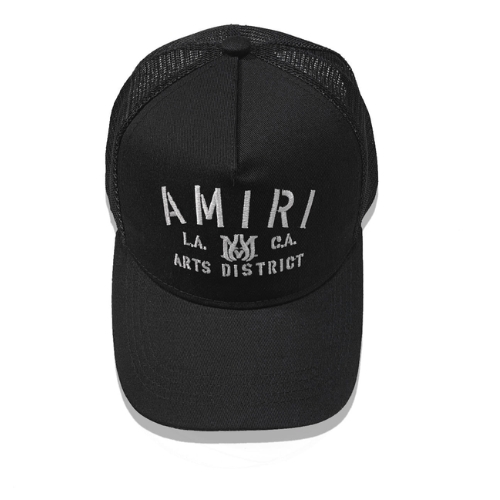
King also pursued affiliate sponsorships, promoting products such as the Infinity Box (an Android streaming TV box) and limited-edition headwear drops inspired by classic American workwear caps, similar in popularity to today’s sought-after Amiri trucker hats. Later, he also diversified into fan shoutouts on Cameo, private communities, and specialized subscriber platforms like Patreon.


5. Where Is Amiri King Today?

Amiri King is still alive and maintains an online footprint, though his operation looks vastly different from his viral heyday:

  1. Smaller, Fragmented Footprint: Rather than commanding dominant multi-million view videos on Facebook and YouTube, King operates across smaller backup accounts, independent audio platforms, and occasional video drops.
  2. Shift to Cultural Commentary: While he still occasionally revisits classic satirical rants, his newer output leans more into off-the-cuff cultural commentary, life updates, and casual humor.
  3. Enduring Cult Status: His classic Chevy parodies continue to circulate on re-upload channels, TikTok soundbites, and retro meme compilations, proving that his early catalog left a lasting imprint on internet lore.

The Broader Lesson: The Fragility of Viral Fame

The story of Amiri King is emblematic of a broader shift in internet history. During the Wild West era of social media (2012–2016), creators could build massive empires solely through raw, unvarnished shock comedy.

However, as tech giants shifted toward advertiser safety, algorithmic sanitization, and strict speech policies, creators built on edgy humor faced an ultimatum: fundamentally soften their style or get pushed to the margins. Amiri King chose not to change his voice, and as a result, he shifted from the center stage of viral media into an independent, niche corner of the web.

Explore The Official Amiri Catalog

Discover iconic streetwear cuts, handcrafted denim, and luxury footwear:

Leave a Reply

Your email address will not be published. Required fields are marked *